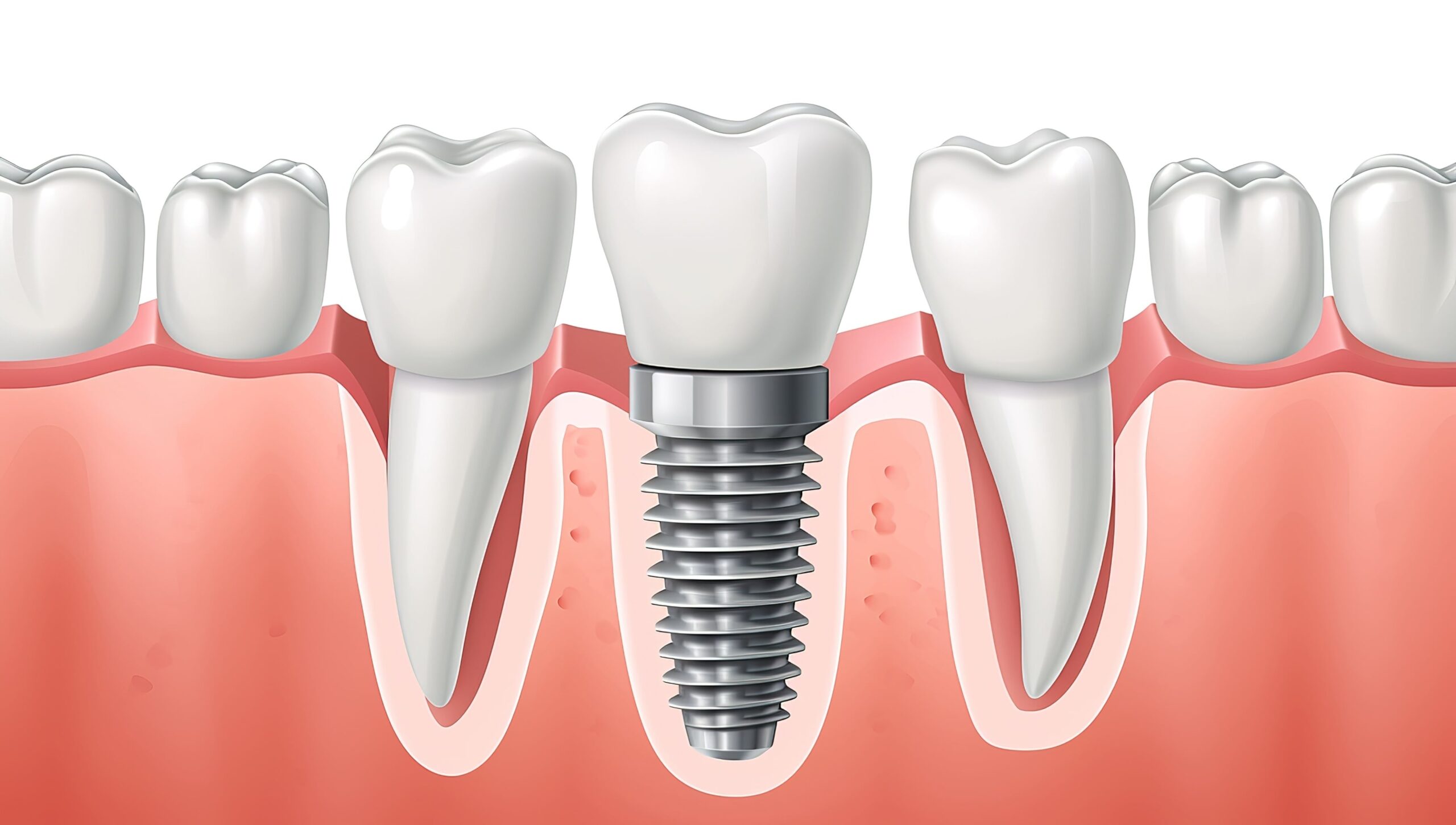
The Fascinating Connection Between Archaeological Discovery and Contemporary Dentistry
The field of dental implantology owes a remarkable debt to the archaeologists and anthropologists who have painstakingly studied ancient human remains. When researchers examine jawbones from civilisations long past, they uncover invaluable insights that continue to shape how modern practitioners approach tooth replacement procedures. The marriage of archaeological science and contemporary dental practice has created a knowledge base that informs everything from implant positioning to understanding bone density requirements.
Ancient skulls tell stories that extend far beyond historical curiosity. They reveal how our ancestors’ jawbones responded to tooth loss, how bone resorption patterns developed over time, and crucially, how early attempts at dental replacements fared within the oral cavity. These discoveries have proven instrumental in refining the techniques used by practitioners offering dental implants Leicester and throughout the world, providing empirical evidence spanning millennia rather than mere decades.
Archaeological Evidence of Early Dental Implants
The archaeological record of ancient dental implant attempts stretches back thousands of years, with some of the most remarkable discoveries originating from ancient Egyptian, Mayan, and Etruscan civilisations. In Honduras, a Mayan mandible dating to approximately 600 AD was discovered with three shell fragments shaped into tooth-like forms hammered into the jaw. What astonished researchers was the evidence of bone growth around these primitive implants, demonstrating successful osseointegration centuries before the concept had a name.
Similarly, ancient Egyptian mummies have been found with copper pegs inserted into the jawbone, whilst Etruscan remains revealed sophisticated use of animal teeth secured with gold bands. Each of these discoveries provides modern dental professionals with crucial data about bone response to foreign materials, the importance of biocompatibility, and the biomechanical forces that dental implants must withstand.
Understanding Bone Density Through Ancient Specimens
Lessons from Skeletal Analysis
Contemporary dental implant success relies heavily on adequate bone density and volume within the jaw. Studies of ancient jawbones have revealed how bone density varies across different populations, age groups, and dietary habits. Researchers examining skeletal remains from hunter-gatherer societies versus agricultural communities discovered significant differences in jawbone structure and density, largely attributed to dietary composition and the mechanical forces exerted during chewing.
These findings have direct implications for modern implant placement. Practitioners now understand that bone density assessment must account for individual variation and lifestyle factors, just as ancient populations exhibited diverse skeletal characteristics. The study of archaeological specimens has helped establish baseline expectations for bone quality across different demographics, enabling more accurate treatment planning and prognosis.
Anatomical Landmarks and Optimal Positioning
Ancient jawbone studies have mapped the evolution of human facial structure over thousands of years, revealing subtle but significant changes in jaw anatomy. These comparative studies between ancient and modern skulls have identified optimal zones for implant placement that respect critical anatomical structures such as the inferior alveolar nerve, maxillary sinus, and mental foramen. Understanding how these structures have remained consistent despite evolutionary changes provides practitioners with confidence in established placement protocols.
Biomechanical Insights from Historical Evidence
The historical development of dental implant materials and techniques demonstrates how ancient attempts at tooth replacement faced similar biomechanical challenges to those encountered today. Analysis of wear patterns on ancient jawbones shows the immense forces that dental structures must endure throughout a lifetime. This knowledge has informed the development of modern implant materials and designs that can withstand comparable stresses.
Furthermore, examination of failed ancient implants has proven equally valuable. By understanding why certain materials or placements failed in antiquity, modern practitioners have refined their approaches to avoid similar pitfalls. The principles of load distribution, appropriate angulation, and sufficient bone engagement were all lessons learned partly through the study of ancient specimens.
Modern Applications of Ancient Knowledge
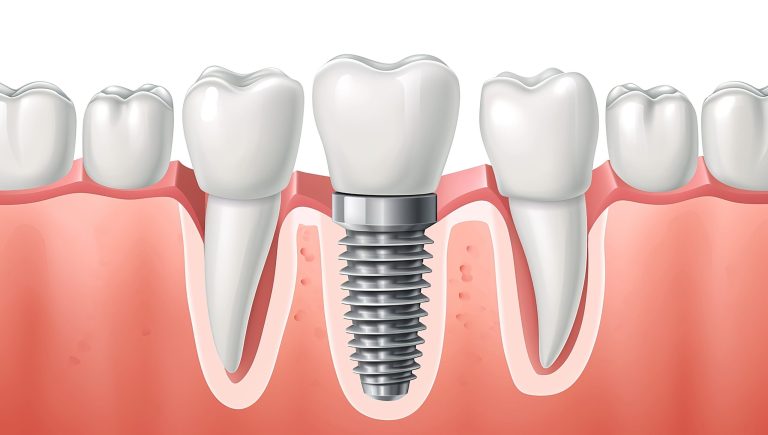
Today’s dental implant procedures benefit from centuries of accumulated wisdom derived from archaeological study. The evolution of dental implant technology has been guided by both cutting-edge research and insights gleaned from ancient civilisations. Contemporary practices in dental implants Leicester and globally now incorporate three-dimensional imaging, computer-guided placement, and advanced biomaterials, all refined through understanding gained from studying how human jawbones have responded to dental interventions throughout history.
Looking Forward Whilst Learning from the Past
The relationship between archaeological research and modern dental implantology demonstrates that innovation need not abandon historical knowledge. Ancient jawbone studies continue to inform contemporary practice, reminding practitioners that successful tooth replacement must respect timeless biological principles whilst embracing technological advancement. This synthesis of ancient wisdom and modern science ensures that dental implant techniques remain grounded in empirical evidence spanning the entire scope of human history.