Understanding the Connection Between Dental Aesthetics and Mental Wellbeing
The relationship between one’s smile and psychological state runs far deeper than many people realise. When individuals feel self-conscious about their teeth, it creates a ripple effect that touches nearly every aspect of their daily lives. From job interviews to first dates, the confidence to smile freely can make or break crucial moments. Composite bonding Leeds has emerged as a transformative solution for those seeking to reclaim their smile and, by extension, their self-assurance.
Research consistently demonstrates that people who are satisfied with their smiles tend to experience higher levels of self-esteem and social confidence. The simple act of smiling triggers the release of endorphins and serotonin, yet those who feel embarrassed by their teeth often suppress this natural response. This suppression can lead to a cycle of diminished mood and reduced social interaction, highlighting why cosmetic dental treatments have become increasingly recognised for their psychological benefits beyond mere aesthetics.
How Composite Bonding Transforms Self-Perception
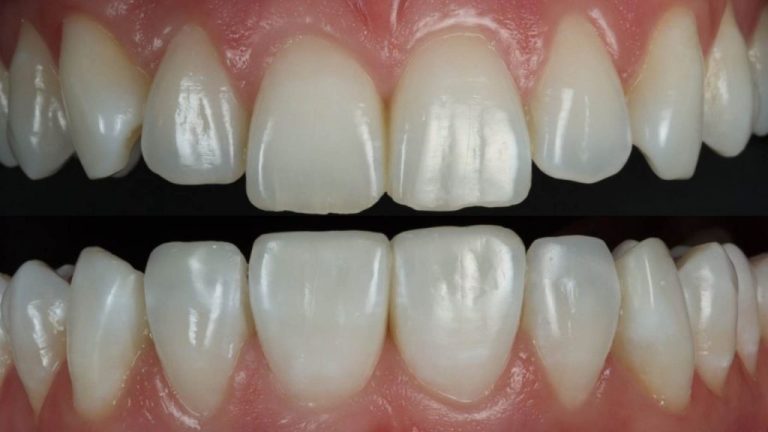
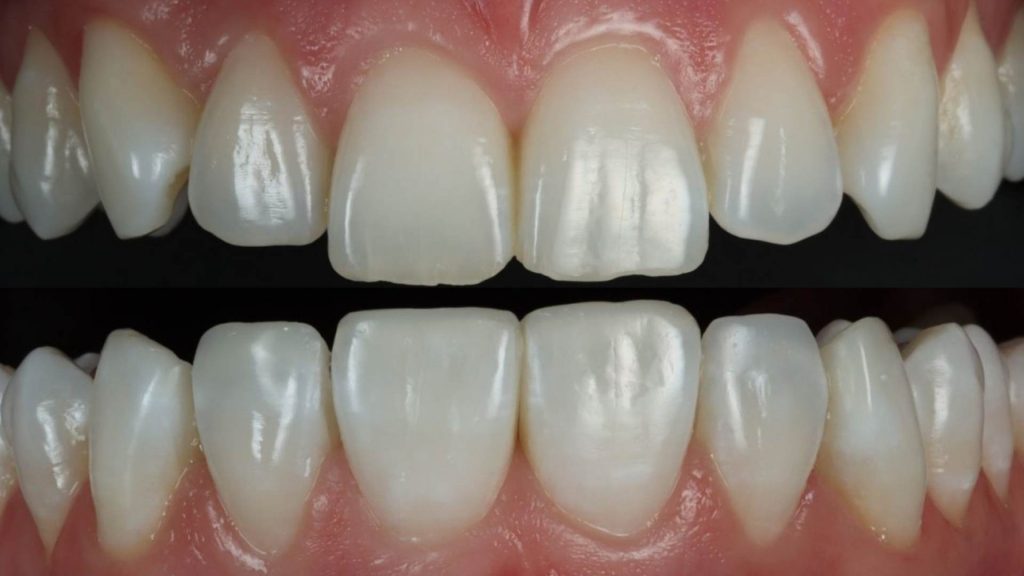
Composite bonding offers a minimally invasive approach to addressing various dental imperfections, from chips and gaps to discolouration and misshapen teeth. The procedure involves applying a tooth-coloured resin material to the affected areas, which is then sculpted and polished to create a natural-looking finish. For many patients seeking composite bonding, the results extend well beyond the physical transformation of their teeth.
The psychological shift that occurs following successful composite bonding treatment is often profound. Patients frequently report feeling liberated from years of hiding their smiles behind closed lips or covering their mouths when laughing. This newfound freedom allows them to engage more authentically in social situations, projecting an openness that others naturally respond to with warmth and acceptance.
The Science Behind Smile Psychology
Scientists have long studied how psychology shapes our relationship with smiling, revealing fascinating insights into the mind-body connection. The facial feedback hypothesis suggests that the very act of smiling can influence emotional states, creating a positive feedback loop. When individuals feel confident enough to smile genuinely and frequently, they experience measurable improvements in mood and stress levels.
Social Dynamics and First Impressions
The impact of a confident smile extends significantly into the realm of social dynamics and professional interactions. Studies indicate that people with attractive smiles are often perceived as more trustworthy, successful, and approachable. For individuals who have undergone composite bonding treatment, this shift in perception can open doors that previously seemed closed. The transformation isn’t merely about vanity; it’s about removing a barrier that prevented authentic self-expression.
In professional settings, the ability to smile confidently during presentations, meetings, or networking events can substantially influence career trajectories. Colleagues and clients alike respond more positively to individuals who appear self-assured and comfortable in their own skin. The psychological boost from knowing one’s smile looks its best allows for greater focus on the content of interactions rather than anxious preoccupation with dental appearance.
The Long-Term Psychological Benefits
The psychological advantages of composite bonding composite bonding extend well beyond the initial treatment period. As patients grow accustomed to their enhanced smiles, many report lasting changes in their overall confidence levels and willingness to engage in new experiences. The treatment serves as a catalyst for broader personal development, encouraging individuals to pursue opportunities they might have previously avoided due to self-consciousness.
Mental health professionals increasingly recognise the connection between physical appearance satisfaction and psychological wellbeing. Whilst composite bonding isn’t a cure for deeper psychological issues, it can remove a significant source of daily anxiety for those troubled by dental imperfections. This reduction in chronic stress about appearance allows mental energy to be redirected towards more productive and fulfilling pursuits.
Building Sustainable Confidence
The confidence gained from composite bonding treatment often creates a positive cascade effect. Individuals find themselves smiling more frequently, which reinforces positive social interactions and strengthens relationships. This enhanced social connectivity further bolsters self-esteem, creating an upward spiral of psychological wellbeing. Understanding why a confident smile matters in today’s world helps contextualise these profound changes.
Embracing Your Authentic Smile
The journey towards a more confident smile through composite bonding represents far more than a cosmetic enhancement. It embodies a commitment to self-care and personal wellbeing that resonates through multiple dimensions of life. By addressing dental concerns that have long caused psychological distress, individuals unlock their capacity for genuine, uninhibited self-expression. The psychological transformation that accompanies a beautiful smile serves as a powerful reminder that sometimes small changes can yield extraordinarily meaningful results in one’s overall quality of life.